Mockup
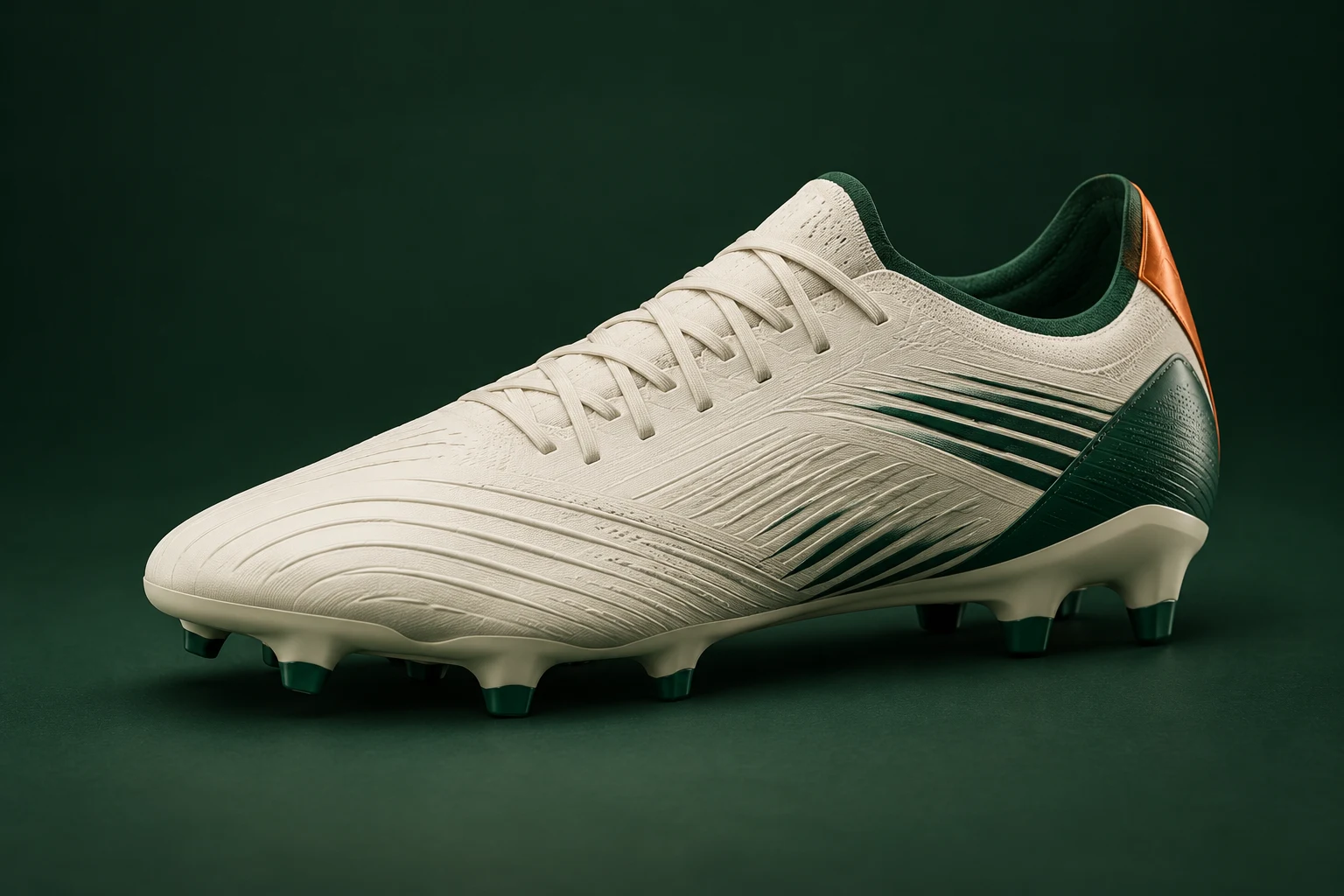
Grass One
An example profile when looking for boots for firm natural grass.
Understand the soleplate →Understand football boots. Choose with confidence.
Which football boots really suit you? Find the right soleplate, check the fit and buy with confidence.
Grass, artificial turf or indoors?
Secure, without pressure or slipping.
Consider training, care and budget.
Interactive buying guide
Two choices, a useful starting point. The right soleplate comes before brand and design.
Not sure what type of artificial surface it is? Ask your club before choosing a soleplate.
Your starting point
A useful starting point for dry to slightly damp, firm grass. Check the approval for the specific model.
Try on both boots with your football socks.
Check the fit properly →Choose FG for artificial grass only with explicit manufacturer approval.
The key buying criteria
Your boots should suit your feet and your football routine.
Your heel stays in place when stopping. Your toes do not hit the front. Extra length will not fix a boot that is too narrow.
How to check the fit →Compare flexible and firmer uppers on your feet. Check the seams, tongue and collar too. Do not count on pressure points disappearing.
Materials & fastenings →Compare the exact quality tier within a product line. Similar looks do not mean identical materials. Plan for your playing surfaces rather than only following a professional’s choice.
Plan your purchase →The letters on the box
Moulded studs
Artificial-grass soleplate
Check approval
Many small rubber lugs
Longer studs
Flat rubber sole
From boot type to your shortlist
Decide where they will be used, then compare models. For young players too.
These ten models are fictional mockups with AI-generated images. They illustrate possible boot types and designs; they are not tested products or current shop offers.
An example profile when looking for boots for firm natural grass.
Understand the soleplate →Another artificial-grass example for comparing different models.
Understand the soleplate →An example for changing surfaces. Approval for both surfaces matters.
Understand the soleplate →An indoor-shoe example. Check non-marking requirements and venue rules.
Understand the soleplate →A kids’ artificial-grass example. Check surface approval and fit first.
Check kids’ fit →About future shop links: Once real offers are linked, we may earn a commission on purchases made through these affiliate links. No shop links are currently active.
Frequently asked questions
Only if the manufacturer approves your specific model for that artificial surface and the pitch operator allows it. AG or an appropriately approved MG model are more targeted categories to look for.
Your playing position is not a reliable fit test. Try models with suitable soleplates and compare hold, comfort and feel on the ball. A “speed” claim is no substitute for trying boots on.
The boot should hold your foot without squeezing your toes or pressing at the sides. Test this with your football socks and in motion. Size labels alone are not enough to judge the fit.
Remove dirt gently and leave the boots open to dry at room temperature. Clean them according to their material and the manufacturer’s care instructions. Inspect the stitching, soleplate and studs too.
Editorially reviewed on 5 October 2026. Manufacturer terminology may vary. Approval for the specific boot and the rules of your pitch take priority.